
"coffee pests"
4000 article(s) found

Diversity of Colombian refined coffee varieties Colombia's natural diversity can prevent coffee pests
More than 50% of Colombia's forests are natural. It has 55000 kinds of animals and plants. According to the Financial Times, 10% of the world's biodiversity can be found in the Amazon region of Colombia. The biodiversity in Colombia is shocking. You can taste it in every cup of coffee. But these are not just impressive facts. They are also what my country can do.


What are the types and characteristics of organic coffee?
Professional coffee knowledge exchange more coffee bean information please pay attention to the coffee workshop (Wechat official account cafe_style) Organic coffee in the cultivation does not use any insecticides and other chemicals to treat pests or cultivation problems, but the use of natural methods, such as the use of natural composting, hedgerow, pruning and other methods to maintain the growth of coffee trees, in terms of pest control

Control of Diseases and pests in Coffee
(1) Pest control 1. Coffee tiger longicorn beetles are distributed in all coffee producing areas in the world, and also occur in Yunnan, Guangxi and Hainan Island in China. It is one of the major pests of coffee. The coffee tiger longicorn beetle harms the coffee trunk for more than 2 years. At first, it eats between the cambium and xylem, and then eats the xylem. The victim was in a curved tunnel filled with sawdust.

Agencies affected by insufficient rainfall and insect pests downgrade coffee production forecasts in Brazil
Professional baristas please follow the coffee workshop (Wechat official account cafe_style) Reuters reported on Aug. 18 that the Brazilian Coffee Cooperative (Cooxup), the world's largest coffee cooperative, recently reported that its base in the southern state of Minas Gerais (Minas Gerais) cut its coffee production estimate from 17 million packets to 14 million packets (60 kg each), compared with the previous year.
Common Coffee Diseases and pests in Coffee cultivation and Control methods
It is distributed in all coffee producing areas in the world, and it also occurs in Yunnan, Guangxi and Hainan Island in China. It is one of the major pests of coffee. Coffee longicorn beetles, which damage the coffee trunk by larvae for more than 2 years, initially eat between the cambium and xylem, and then eat (1) pest control. 1. Coffee tiger longicorn beetles are distributed in all coffee producing areas in the world. Yunnan, Guangxi and Hainan, China

What is Organic Coffee_Introduction to Organic Coffee Bean Types_Price Analysis of Organic Coffee Bean
Professional coffee knowledge exchange More coffee bean information Please pay attention to coffee workshop (Weixin Official Accounts cafe_style) Organic coffee does not use any pesticides and other chemicals to treat pests or cultivation problems, but uses natural methods, such as natural composting, fencing, pruning and other methods to maintain the growth of coffee trees. In terms of pest control, I

Classification of Coffee beans Coffee Origin Coffee Coffee practice
Arabica was the only kind of coffee beans, then in the 19th century, there was a large area of diseases and insect pests, coffee growers began to look for other varieties of coffee resistant to diseases and insect pests, so Rob's special was discovered and began to be planted artificially. Robert's special growth in low-altitude areas, characterized by resistance to diseases and insect pests, cold, drought resistance, a word description, thick, but the taste is relatively comparative

Coffee species introduction Coffee Tree introduction Coffee planting method
Arabica was the only kind of coffee beans, then in the 19th century, there was a large area of diseases and insect pests, coffee growers began to look for other varieties of coffee resistant to diseases and insect pests, so Rob's special was discovered and began to be planted artificially. Robert's special growth in low-altitude areas, characterized by resistance to diseases and insect pests, cold, drought resistance, a word description, thick, but the taste is relatively comparative

Which brand is better to buy coffee beans? what coffee beans are more famous?
Arabica was the only kind of coffee beans, then in the 19th century, there was a large area of diseases and insect pests, coffee growers began to look for other varieties of coffee resistant to diseases and insect pests, so Rob's special was discovered and began to be planted artificially. Robert's special growth in low-altitude areas, characterized by resistance to diseases and insect pests, cold, drought resistance, a word description, thick, but the taste is relatively comparative

Cultivation techniques of small-grain Coffee in Yunnan Province: pest Control
1. Coffee tiger, longicorn beetle. The coffee tiger longicorn beetle harms the coffee trunk for more than 2 years. At first, it eats between the cambium and xylem, and then eats the xylem. It has a great effect on coffee, the light ones make the plants yellow, withered branches and fruit drop, and the serious ones die of the whole plant. At the initial stage of the damage, there was no obvious hole in the appearance, but only slightly raised in the epidermis of the injured area. Prevention and control methods: strengthening the management of ①

The origin of coffee introduces how to press out the oil in coffee.
Arabica was the only kind of coffee beans, then in the 19th century, there was a large area of diseases and insect pests, coffee growers began to look for other varieties of coffee resistant to diseases and insect pests, so Rob's special was discovered and began to be planted artificially. Robert's special growth in low-altitude areas, characterized by resistance to diseases and insect pests, cold, drought resistance, a word description, thick, but the taste is relatively comparative

Cultivation techniques of small Coffee in Yunnan Province Pest Control of Coffee trees
1. Coffee tiger, longicorn beetle. The coffee tiger longicorn beetle harms the coffee trunk for more than 2 years. At first, it eats between the cambium and xylem, and then eats the xylem. It has a great effect on coffee, the light ones make the plants yellow, withered branches and fruit drop, and the serious ones die of the whole plant. At the initial stage of the damage, there was no obvious hole in the appearance, but only slightly raised in the epidermis of the injured area. Prevention and control methods: strengthening the management of ①
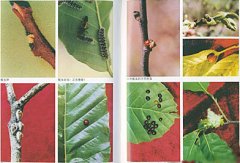
Common Diseases and pests in Coffee cultivation and Prevention and Coffee basic knowledge
(1) Pest control 1. Coffee tiger longicorn beetles are distributed in all coffee producing areas in the world, and also occur in Yunnan, Guangxi and Hainan Island in China. It is one of the major pests of coffee. The coffee tiger longicorn beetle harms the coffee trunk for more than 2 years. At first, it eats between the cambium and xylem, and then eats the xylem. The victim was a curved tunnel filled with sawdust.
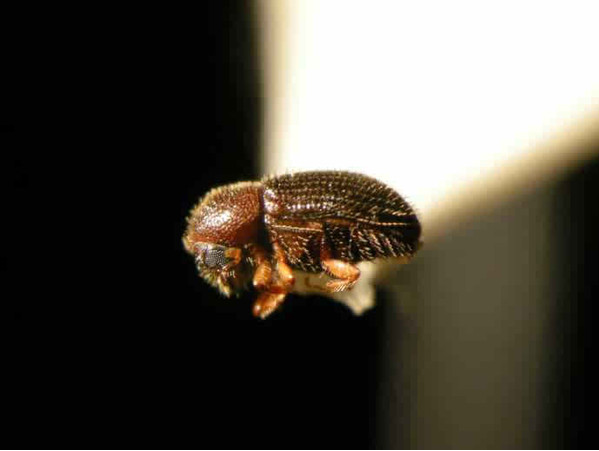
Eating and drinking Lhasa incest beetles in coffee beans
The tiny coffee fruit beetle can be said to be the Cersei and Jamie of the insect world, and the incest place of these bugs is the coffee beans you usually drink. Discovery News calls the coffee fruit beetle the most threatening pest to coffee plants in the world. Although drinking coffee inhabited by these bugs is not harmful to the human body, if

Coffee leaf rust what is coffee leaf rust? coffee tree diseases and insect pests
Professional coffee knowledge exchange more coffee bean information Please pay attention to the coffee workshop (Wechat official account cafe_style) High temperature and humidity is the season when a large number of spores of coffee leaf rust germinate and spread. Please take measures to prevent and control coffee leaf rust as soon as possible. Coffee leaf rust is a worldwide coffee disease, which occurs more in low cold mountain areas than in flat areas. The loss of coffee is quite serious.

Practical information | Coffee genealogy collation
Coffea / Coffee consists of more than 120 species, usually opposite leaves, evergreen shrubs or small trees with horizontal branches. Contains opposite species, one side is flat, and the other side has grooves (right! It's coffee beans! ). Tropical forests are the preferred habitat for most coffee plants. There are about 60 coffee plants in the world.

Which brand of organic coffee is good? the reason for choosing organic coffee beans? is organic coffee beans expensive?
Professional coffee knowledge exchange more coffee bean information Please follow the coffee workshop (Wechat official account cafe_style) about organic coffee beans in many parts of the world, growers use pesticides to control the growth of coffee pests, and moist and foggy coffee at high altitudes are often more vulnerable to pests, so growers often use insecticide treatments. Many people think that as long as coffee is not used during the growth period,

Popular science | genealogy of common varieties of coffee
The exchange of professional baristas please pay attention to the coffee workshop (Wechat official account cafe_style) term explanation before introducing genealogical varieties Coffea / Coffee includes more than 120 species, usually opposite leaves, evergreen shrubs or small trees with horizontal branches. Contains opposite species, one side is flat, and the other side has grooves (right! It's coffee beans! ). Most of the coffee genera
Factors affecting the price increase of coffee futures
Coffee futures trade coffee beans, and futures are both an investment and an increase in coffee. The increase in coffee lies not only in the origin, good or bad, but also for many piecemeal reasons. In the coffee futures market, the main factors affecting the price of coffee beans can be summarized as follows: